We’ve all been there. You are scrambling for last-minute gifts, your budget is tighter than a drum skin, and the item you've settled on—say, a functional but utterly uninspired ceramic mug or a generic hand soap set—is decidedly boring. The sheer pressure of giving a gift that feels genuinely thoughtful can be paralyzing. Often, we assume that if the object itself isn't inherently high-end or emotionally charged, our gesture is already falling flat. But thoughtfulness rarely comes from the price tag; it springs from intention.
The good news? You don't need deep pockets to make a wonderful impact. The magic doesn't happen in the gift; it happens around it. Learning how to make a boring gift feel luxurious and special is less about spending money and more about mastering the art of presentation, context, and story. It’s about transforming an object from a mere commodity into a curated experience.
The Power of Perception: Mastering Presentation and Packaging
The first place people look—and often underestimate—is the packaging. Think of wrapping paper not as simple covering, but as the appetizer to a fantastic meal. If the recipient tears open something that looks like it was pulled out of a bargain bin, their initial perception is set before they even see what's inside.
Elevating presentation is perhaps the easiest way to dramatically increase perceived value. You are essentially selling an unboxing experience. Consider these immediate upgrades:
- Upgrade the Wrapper: Skip the standard store-bought wrapping paper. Use colored tissue paper, twine, or even a repurposed scarf as a ribbon. A simple brown kraft box instantly elevates anything inside. Add Texture and Sound: Include little sensory details. A handful of dried potpourri, a scented cedar sprig tucked into the bow, or a handwritten note sealed with wax—these small touches add an audible snick to the unwrapping process that screams "effort." The Ribbon Trick: Instead of just tying a bow, secure the package with multiple types of ribbon (velvet, jute, satin) layered together. This layering makes the gift feel more complex and intentionally designed.
Does presentation really matter? Absolutely. It is the wrapper around the sentiment, protecting it until the moment of unveiling.
Weaving the Narrative: Giving Gifts with a Story
A boring object paired with a beautiful story becomes an heirloom. The difference between merely giving something and gifting something lies entirely in the narrative you build around it. When you can tell why you chose this specific item, its inherent value skyrockets.
For example, if you buy a simple notebook Beer Enthusiast (the embodiment of "boring"), don't just hand it over. Tell them: "I know how much you love journaling about your travels, so I picked this up because the binding reminded me of the old leather journal we saw in that antique shop downtown." That anecdote instantly transforms the notebook from a stationery purchase into a tangible link to shared memories.
This is where emotional labor becomes currency. Instead of focusing on what you bought, focus on why. How to make a boring gift feel luxurious and special often boils down to being an excellent storyteller for your own generosity.
Remember that quote by Theodore Roosevelt: "The purpose of life is to live it, to taste experience to the utmost roast savor." Your gift is merely one small way you are asking them to taste a moment.
Curating the Moment: Beyond the Physical Object
Sometimes, the item itself is so basic—like a box of tea or an inexpensive candle—that no amount of wrapping will fix it. In these cases, you must shift your focus from the object to the experience. The gift becomes less about what they own and more about how they use it, or when they get to enjoy it.
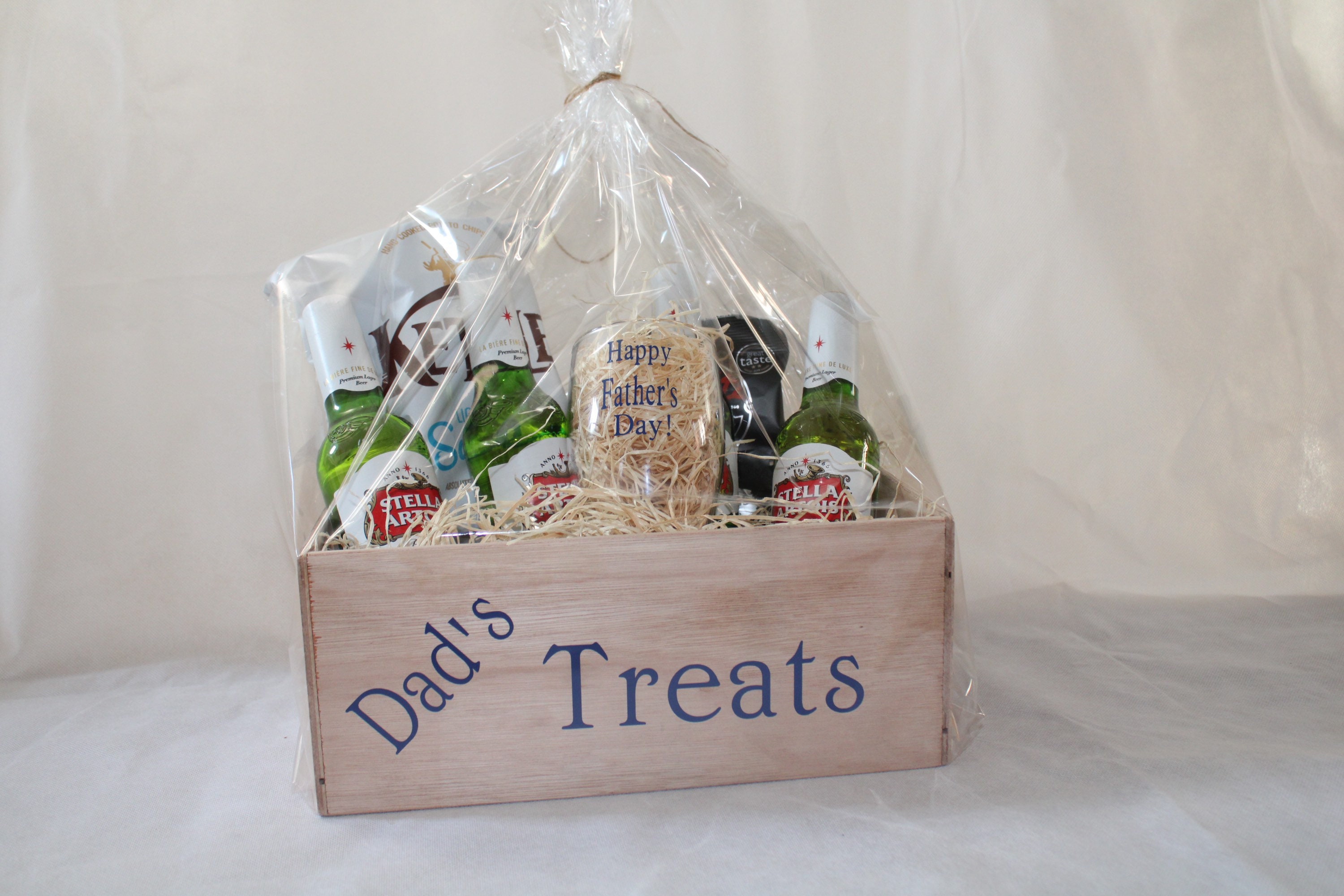
This approach is like painting a blank canvas with memories. You are not decorating the wall; you are providing the light source for the picture.
Consider grouping items into a themed "kit" rather than giving them individually:
- The Self-Care Ritual: Combine an inexpensive face mask, a nice pair of fuzzy socks, and a small cup of gourmet tea. Instead of saying, "Here is stuff," say, " Use this kit to build the perfect Saturday morning ritual." The framing changes everything. The Memory Anchor: Pair a simple candle with a playlist link (a QR code printed on a tag) and a favorite photo. You are gifting an entire sensory experience—sight, smell, sound—all anchored by one physical item.
If you can transform the gift into a ritual, it instantly feels luxurious because rituals imply time more info and dedication, which are the most valuable commodities of all.
The Art of the Intentional Gesture
Making gifts feel special is not a magic trick; it is a practiced skill rooted in deep observation of the recipient. It requires you to stop operating on autopilot when gift-buying and start operating with intention. You must see them through their eyes—their needs, their passions, and their current life phase.
When you approach gifting this way, you stop asking yourself, "Is this expensive enough?" and start asking, " What does this person actually need right now?"
This holistic approach means that even the most prosaic item can be transformed. It teaches us that luxury isn't defined by gold plating; it’s defined by genuine consideration. This ability to elevate the mundane is a skill you can practice in every aspect of life, not just gift-giving.
Elevating Your Gifting Game for Future Connections
Understanding how to make a boring gift feel luxurious and special gives you a powerful framework for connection. The next time you find yourself facing that seemingly simple or uninspired item, take a breath. Don't panic, don't overspend. Instead, pause and apply the principles of storytelling and experience curation.
By focusing on presentation, context, and the ritual surrounding the gift, you prove that your thoughtfulness has no expiration date—and it costs far less than you might think. Start treating every giving opportunity as a chance to craft a beautiful story, and watch how deeply those connections bloom.
